~120
mmHg7
Human systolic left ventricular (LV) pressure


A legacy of innovation in valve design and tissue technology advancements
For this reason, Edwards Lifesciences has since focused on the development of bovine pericardial valves.
Human systolic left ventricular (LV) pressure
Porcine systolic LV pressure*

The MITRIS RESILIA valve, built on five generations of Edwards mitral tissue valves.
Edwards Lifesciences developed the MITRIS RESILIA valve, their latest generation valve, by optimising the PERIMOUNT platform. This optimisation fundamentally improved the valve’s design, which in turn enhanced its haemodynamics, durability, and ease of use.8,9
Explore how the unique design of the MITRIS RESILIA valve compares to porcine valves
Haemodynamically, the MITRIS RESILIA valve outperforms porcine valves8,10
Haemodynamically, pericardial valves provide the best solution to flow problems. The design maximizes use of the flow area, which results in minimal flow resistance
-Gudbjartsson T, et al.10


Adapted from Gudbarjartsson T, et al. 2003.10
Find out more about the MITRIS RESILIA valve’s haemodynamic performance

RESILIA tissue,† built with durability in mind. Uncover the evidence supporting RESILIA tissue
The MITRIS RESILIA valve – designed for potential future transcatheter interventions
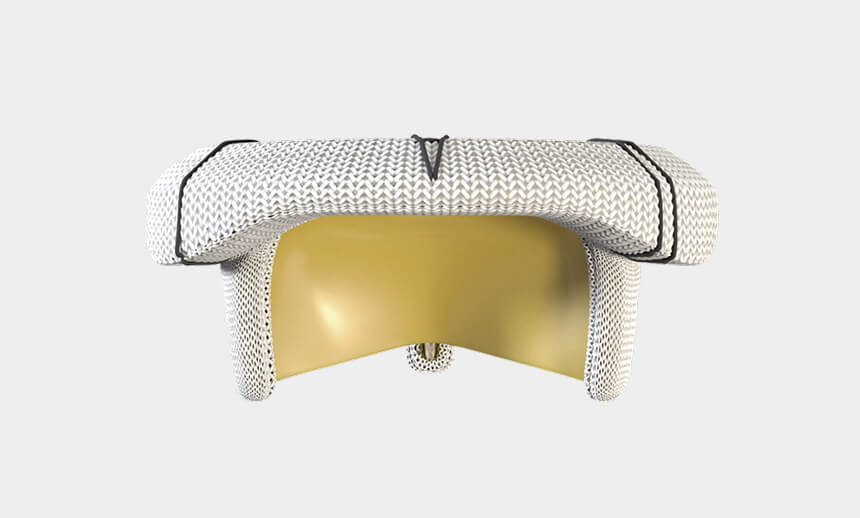
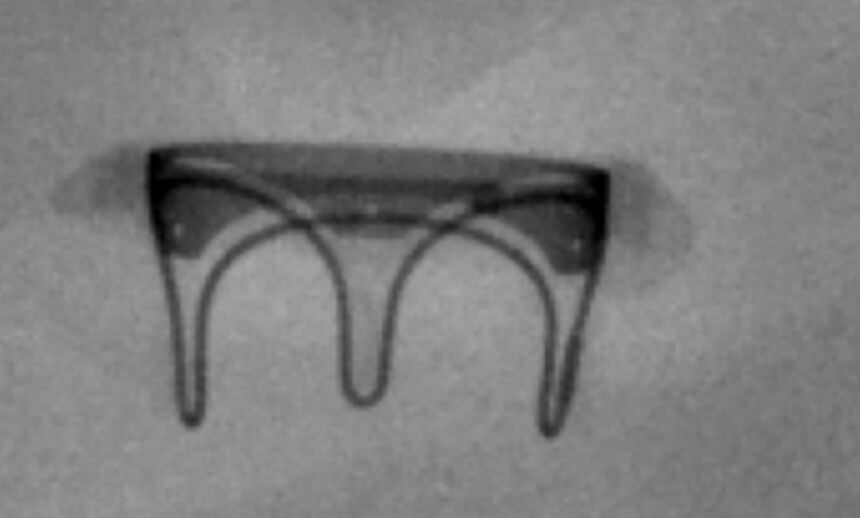
The MITRIS RESILIA valve’s cobalt chromium band was the most visible fluoroscopically compared with porcine valves§ for easy identification of the landing zone for potential future transcatheter interventions.11
Discover how the MITRIS RESILIA valve can impact your patients' lifetime management of mitral valve disease
*Based on pigs of different weight and age.5
†Clinical data on surgical aortic valves with RESILIA tissue up to 7-year follow-up have been published, with additional follow-up to 10 years in progress.12
‡12 Yorkshire pigs received comparable valves (27 mm Abbott EpicTM valve [n=4]; 27 mm Medtronic MosaicTM valve [n=4]; 25 mm MITRIS RESILIA valve [n=4]) followed by transcatheter mitral valve replacement ViV with a 26 Edwards Sapien3 valve. Post-ViV, suprasternal transoesophageal echocardiography studies were performed to assess haemodynamic function, followed by gated contrast computed tomography (CT). To ensure comparable anatomical and haemodynamic study conditions, pigs with a >6% anatomical variation were excluded from the study.11
Abbreviations
CT, computed tomography; LV, left ventricular; LVOT, left ventricular outflow tract; ViV, valve-in-valve.
For a listing of indications, contraindications, precautions, warnings, and potential adverse events, please refer to the Instructions for Use (consult eifu.edwards.com where applicable).
Edwards, Edwards Lifesciences, the stylized E logo, MITRIS, MITRIS RESILIA, PERI, PERIMOUNT, and RESILIA are trademarks of Edwards Lifesciences Corporation or its affiliates. All other trademarks are the property of their respective owners.
PP--EU-11042 v1.0