


The JOURNEY LVAD trial


About the JOURNEY LVAD trial
The JOURNEY LVAD trial is a clinical trial studying whether the J-Valve Transfemoral (TF) system is safe and effective in people with severe aortic regurgitation (AR) and a left ventricular assist device (LVAD).
Trial locations
You can find a participating hospital near you by visiting ClinicalTrials.gov.
If you have any questions about the trial, please contact our Patient Support Center.

What is aortic regurgitation
Aortic Regurgitation (AR) is also known as aortic insufficiency, and is diagnosed when your aortic valve allows blood to leak back into your heart instead of moving forward into your aorta.
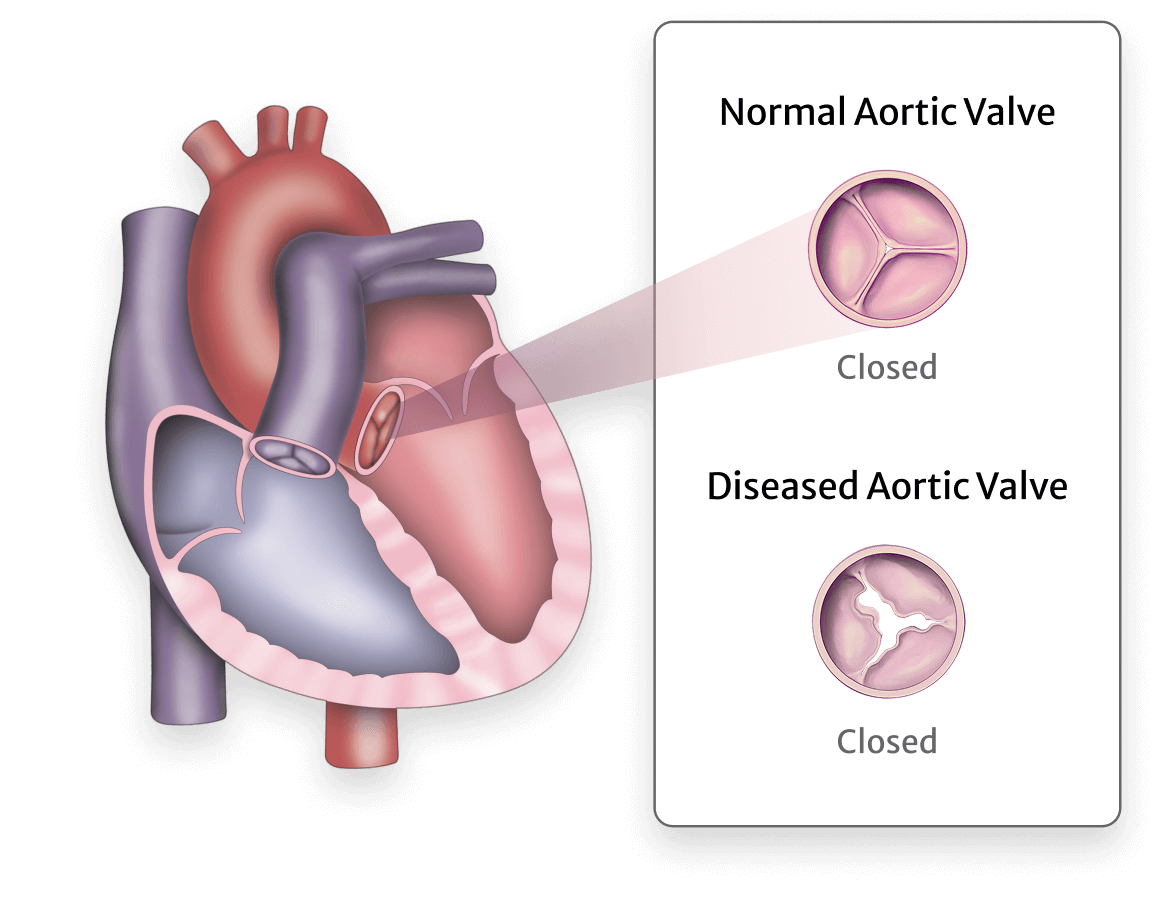
Normally, your aortic heart valve opens and closes to let blood flow from your heart's left ventricle, into your aorta, and out through your body. A leaking (or regurgitant) valve means your valve doesn't close all the way and allows the blood to flow backwards into your ventricle.
When your blood moves backwards, it forces your heart to work harder to push blood out to your body. This extra work causes your heart to grow in size (enlarge). Over time as your heart enlarges, the extra work can create symptoms and even lead to heart failure.
Symptoms can include:

Lightheadedness or fainting

Fatigue and weakness

Rapid heartbeat

Shortness of breath

Swelling of the feet
What is TAVR-AR
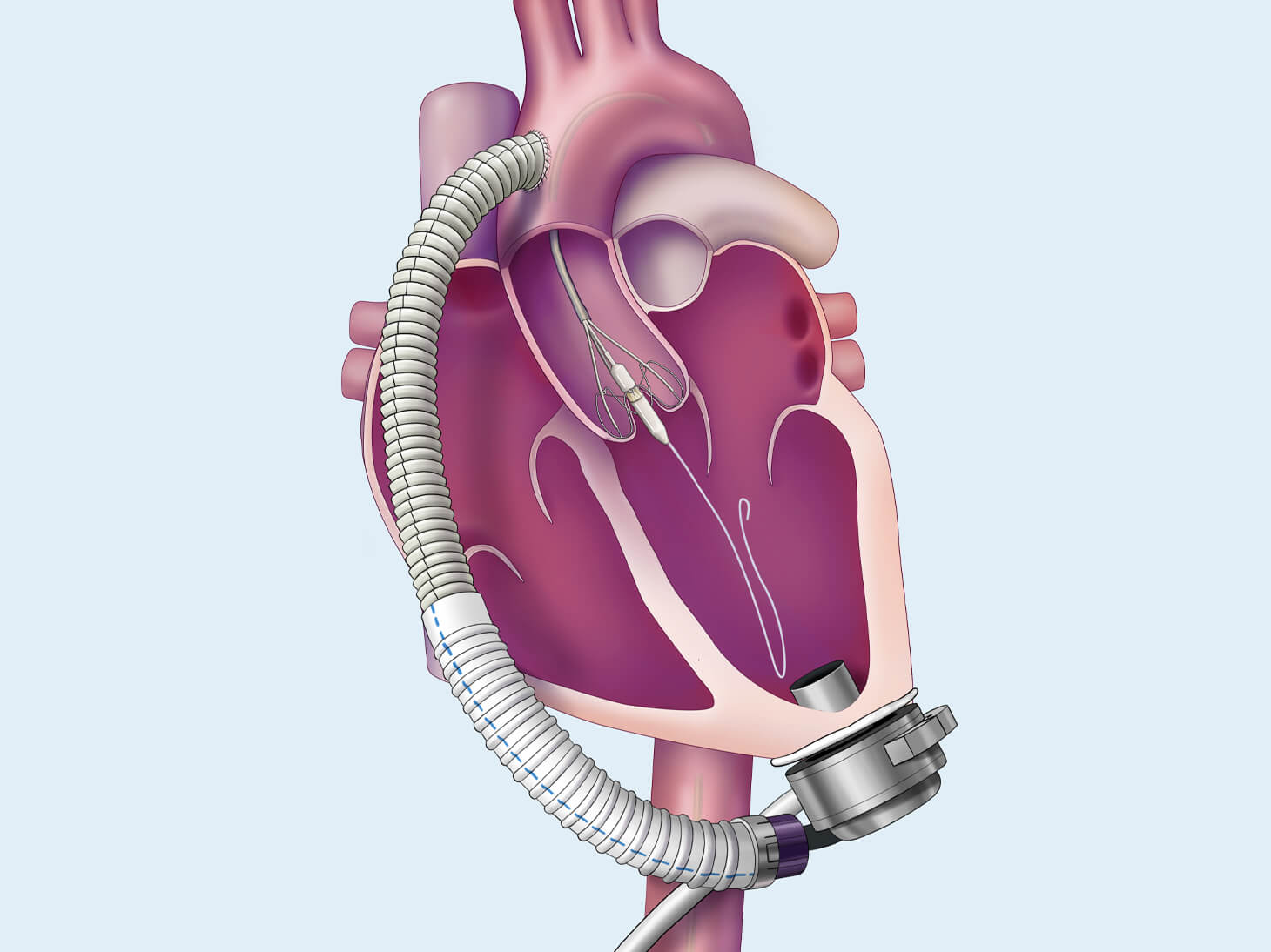
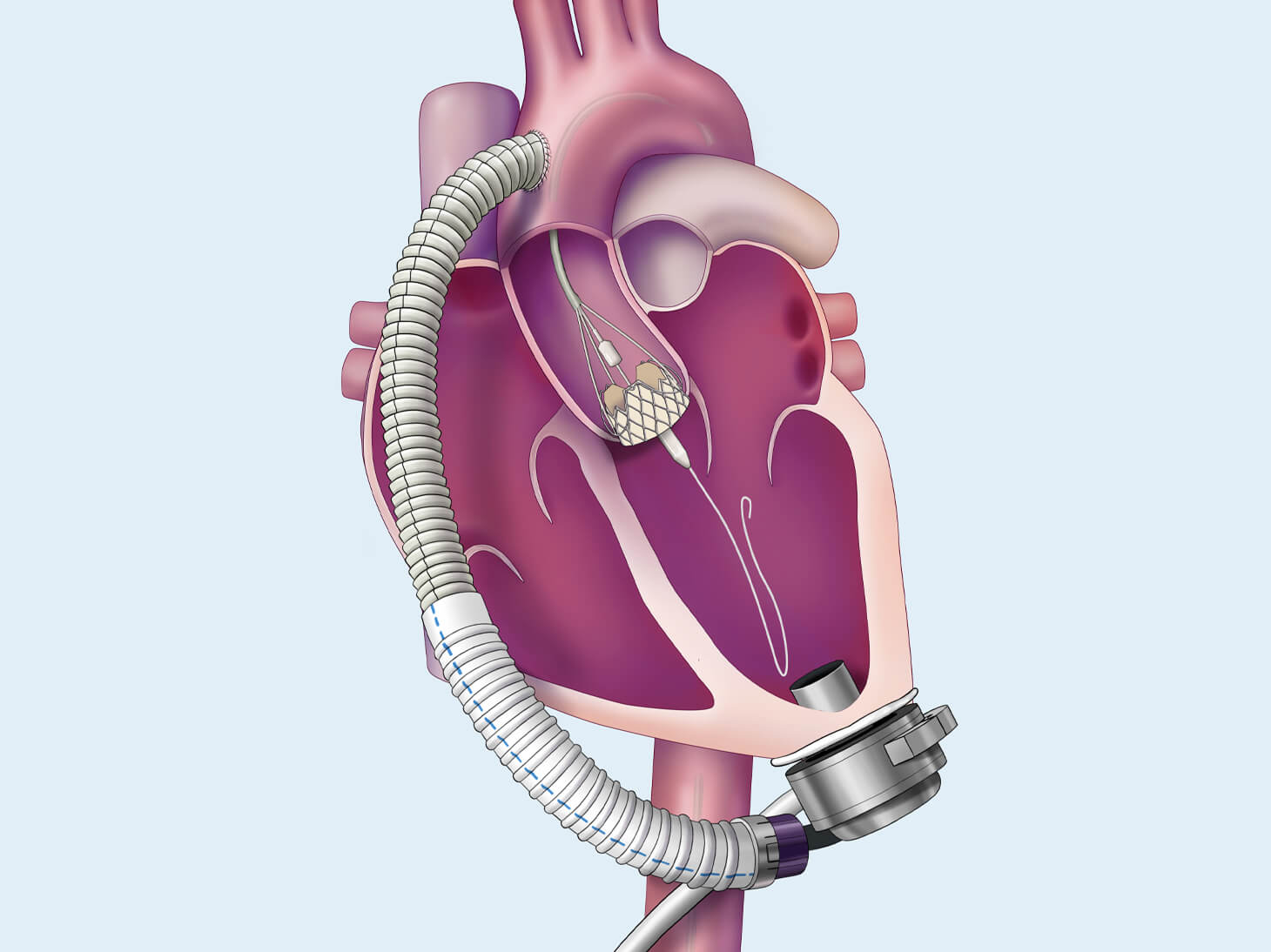
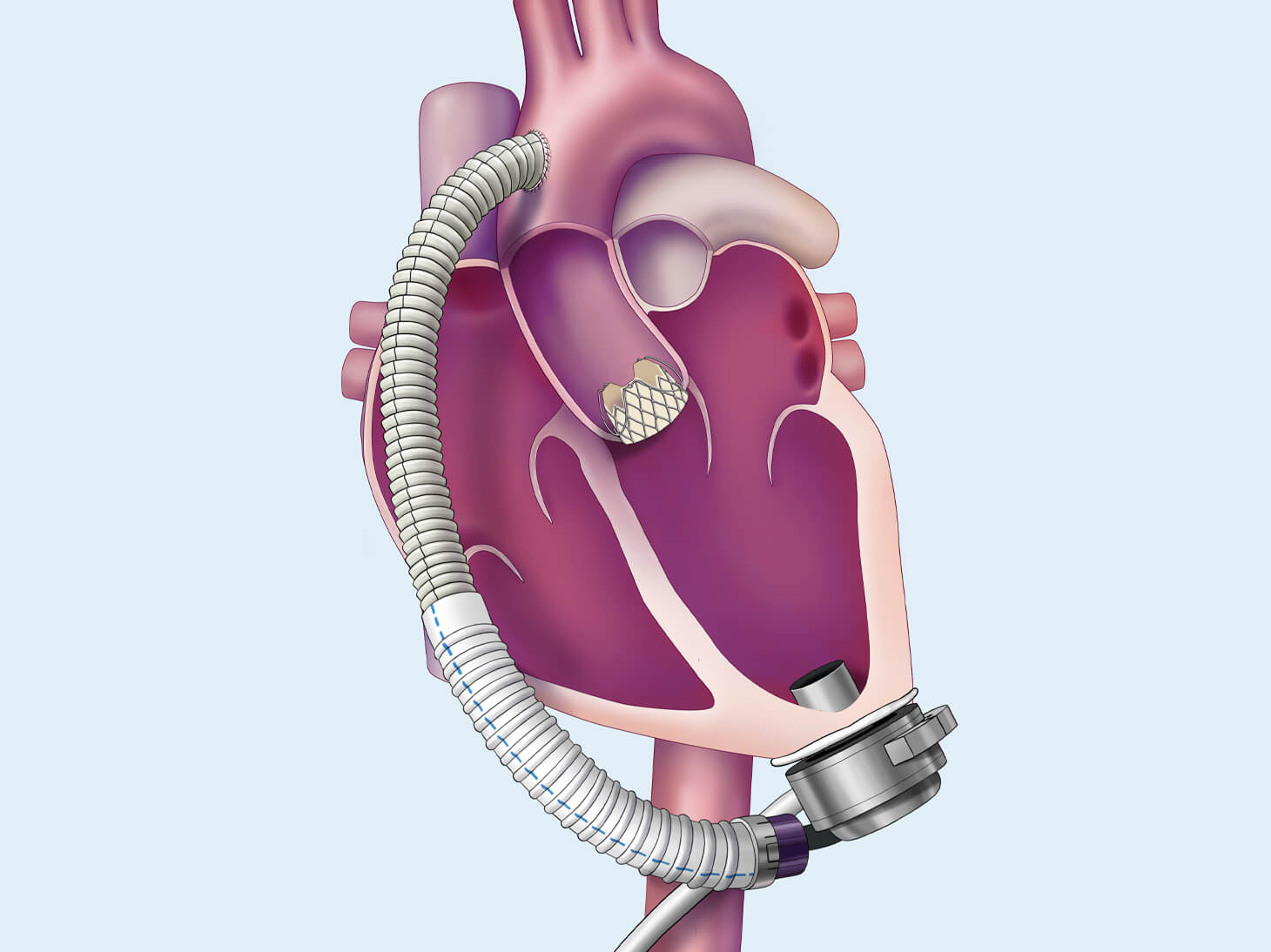
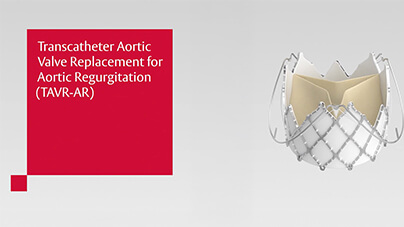
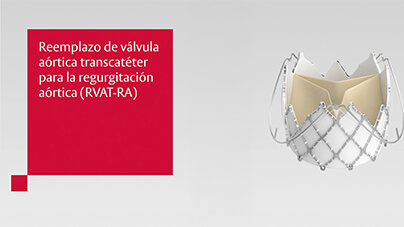
Transcatheter Aortic Valve Replacement for Aortic Regurgitation (TAVR-AR) may be a less invasive procedure for patients who are at high risk for open heart surgery. The purpose of the TAVR-AR procedure is to replace your diseased aortic valve with a bioprosthetic valve (a man-made valve containing animal tissue).
We are studying the safety and performance of the investigational J-Valve device for patients with AR and a LVAD. This replacement is one way to treat aortic regurgitation or aortic valve insufficiency.
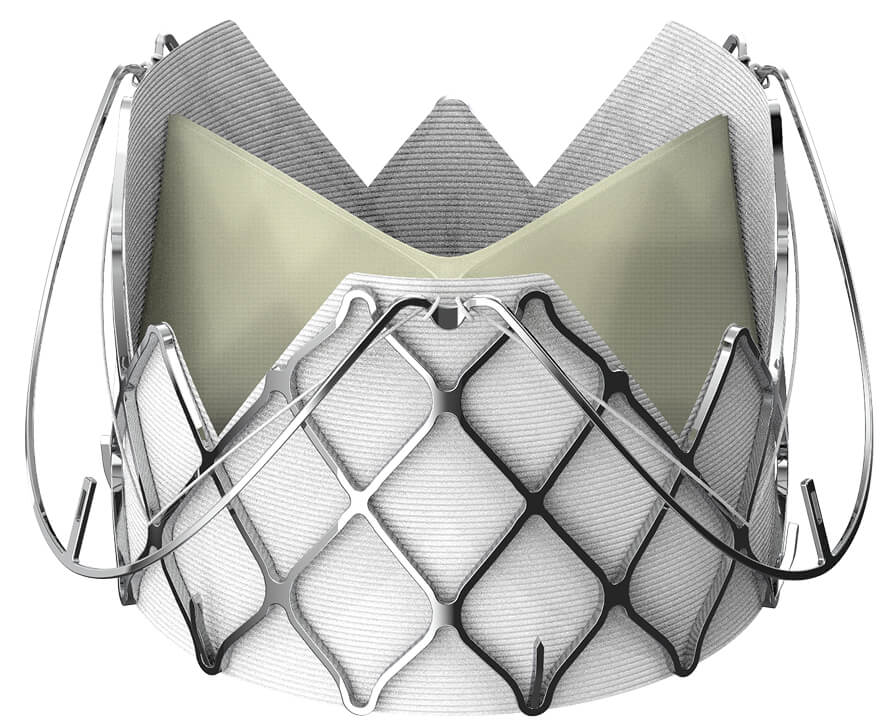
The Edwards J-Valve transcatheter heart valve
Investigational Device
The Edwards J-Valve transcatheter heart valve
Investigational Device
1 / 5
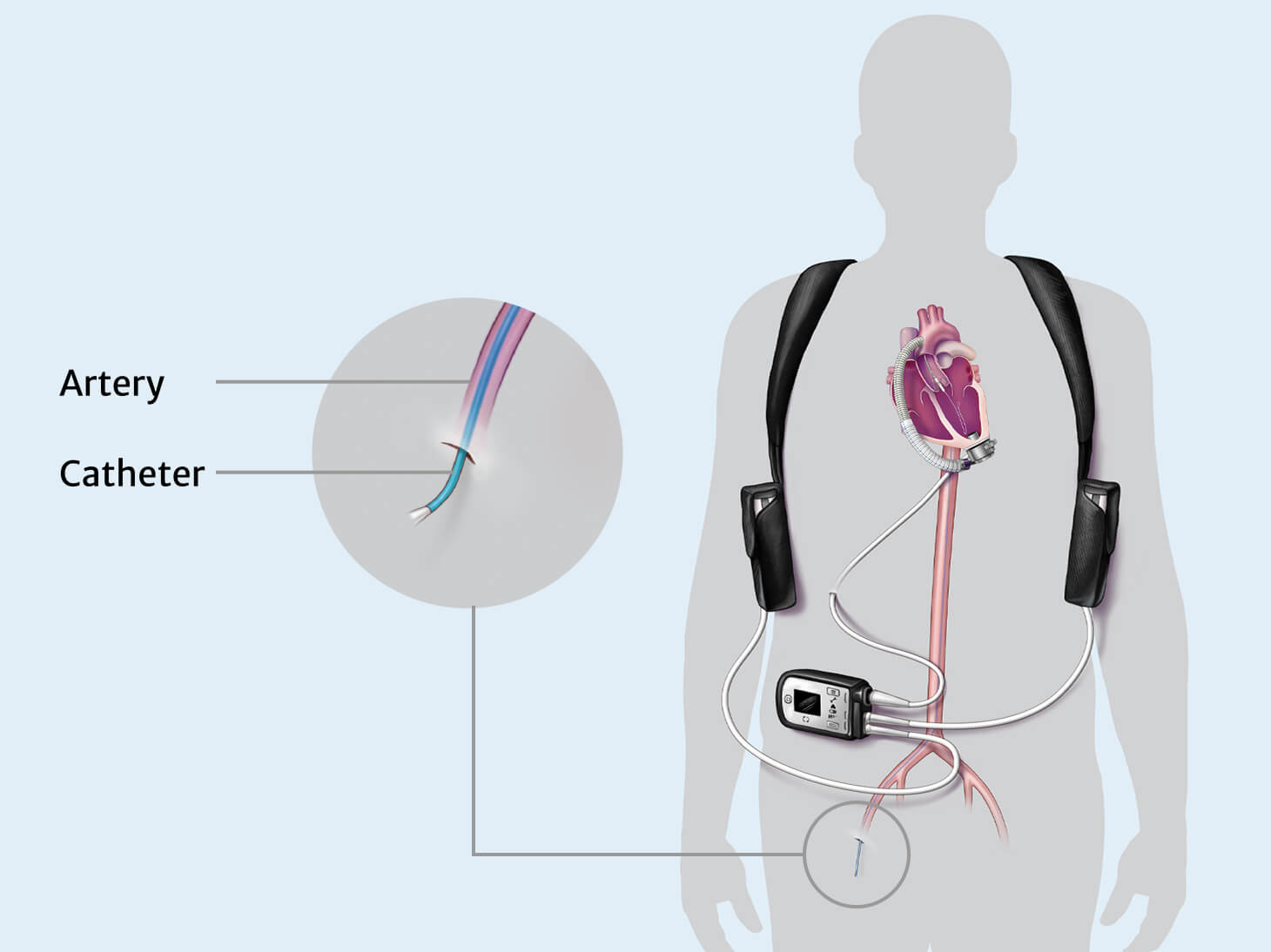
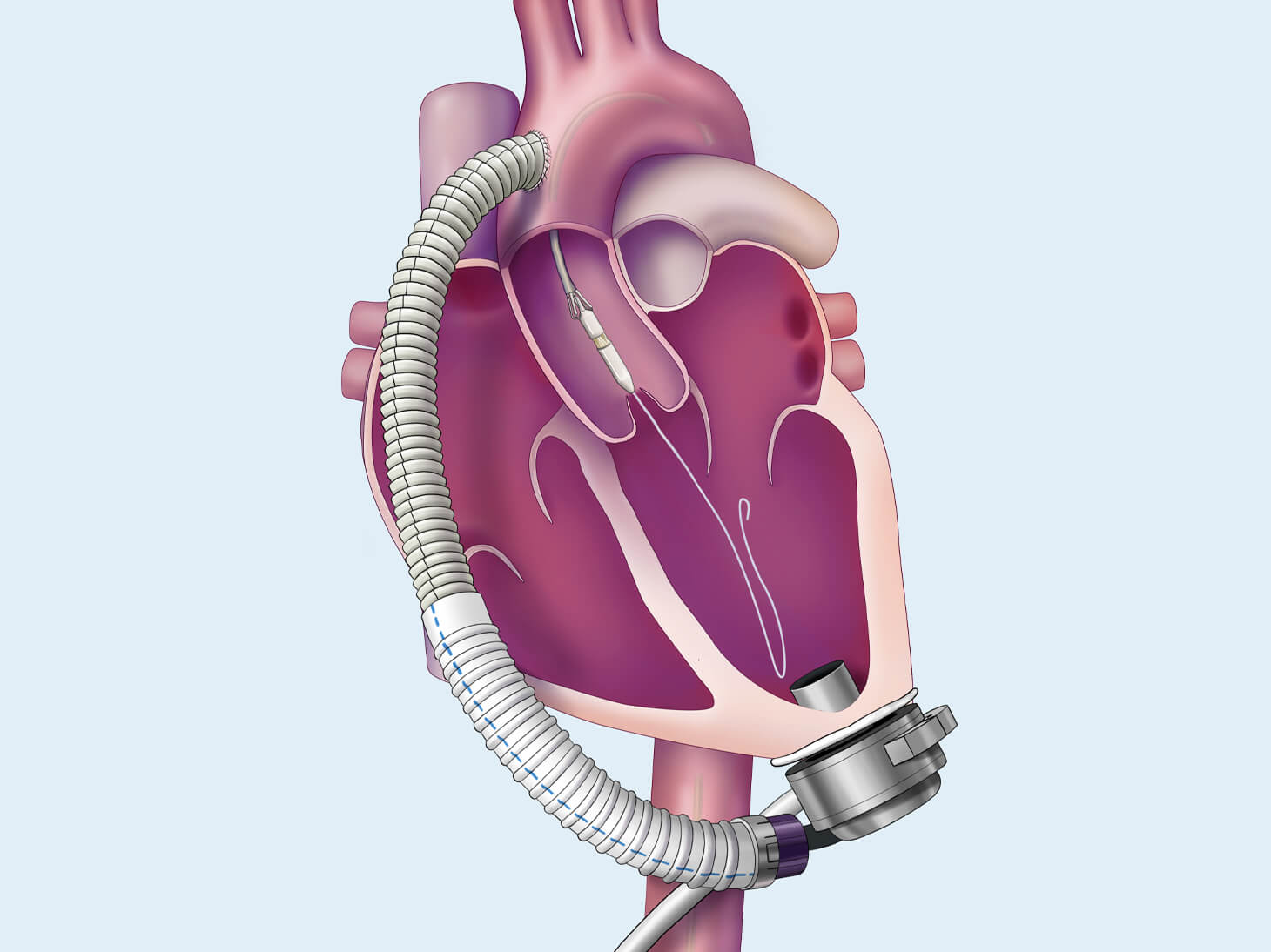
Learn more about the procedure
1 / 2
Eligibility criteria
You may be eligible for this trial if you:
- have severe, symptomatic, aortic regurgitation; and
- have a left ventricular assist device (LVAD)
Your doctor and/or research team will discuss with you the full list of criteria for participating in this trial.

Frequently asked questions

We're here for you
We are committed to providing the highest levels of customer service to help our patients improve their quality of life. For any questions, please contact the Edwards Patient Support Center.
For details about the trial, visit NCT07363473 at Clinical Trials.gov.
Give us a call
888.713.1564
Send us an email
CAUTION: Investigational device.
CAUTION: Investigational device. Limited by Federal (United States) law to investigational use.
PP--US-12229 v1.0