Edwards Lifesciences Logo

Severe
tricuspid valve regurgitation and treatment

Elderly couple

What is tricuspid valve regurgitation? 

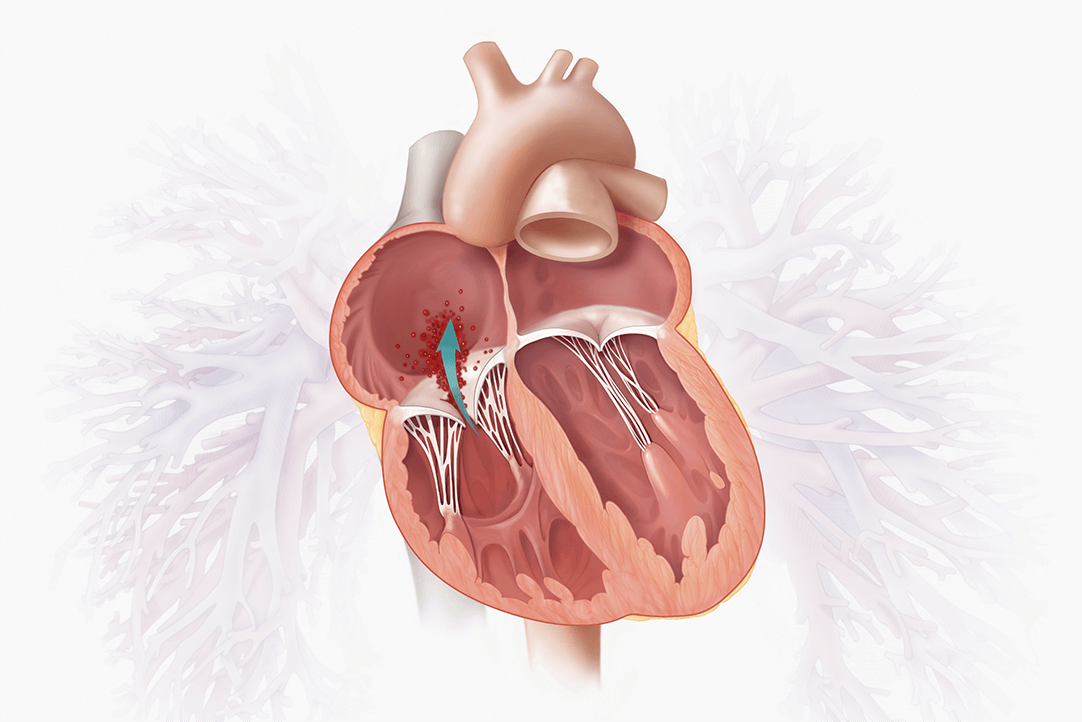
Tricuspid regurgitation (TR) happens when the tricuspid valve on the right side of the heart does not close properly. When the valve does not fully close, blood flows backward from the lower chamber (ventricle)  into the upper chamber (atrium) making your heart work harder to move blood through the valve.1,2

Untreated, TR can worsen with time. It often does not show signs or symptoms until the disease is severe. With TR, you may have shortness of breath or feel weak. It may also cause abnormal heart beats or swelling in your abdomen, ankles, veins in your neck or feet. These symptoms can seriously affect your quality of life.2

Tricuspid regurgitation image
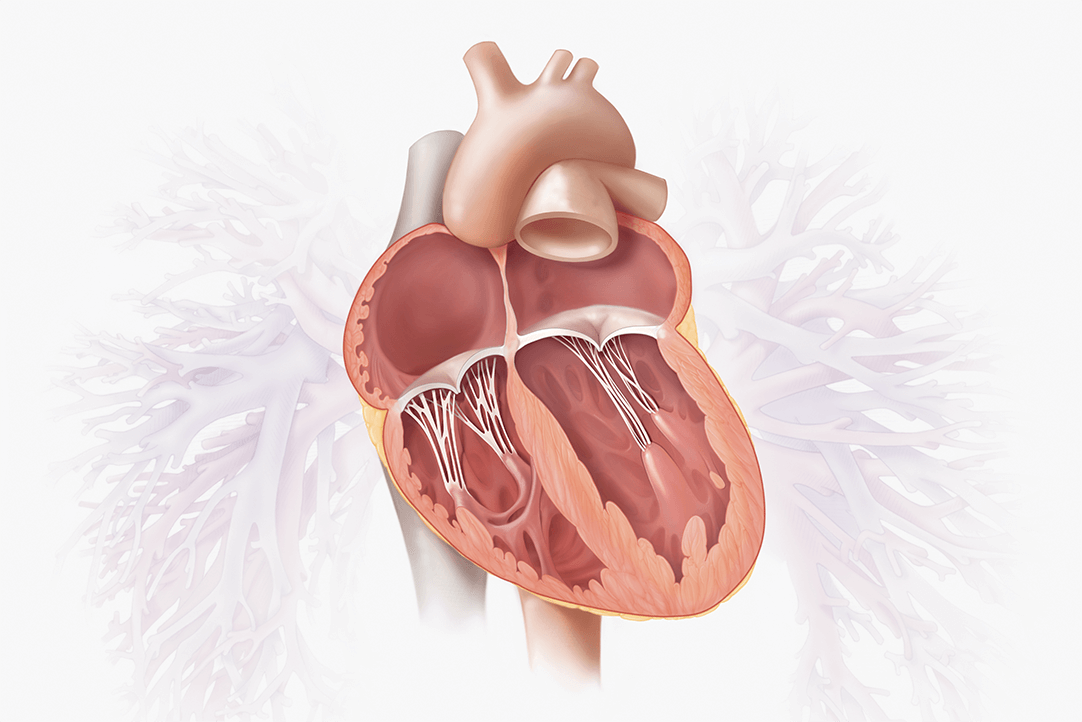
healthy heart image

Tricuspid regurgitation vs a healthy heart

The tricuspid valve does not close properly due to an issue with the valve’s leaflets or an enlarged heart chamber. As a result, blood leaks backward into the right atrium (upper chamber) instead of moving forward into the right ventricle (lower chamber).1,2
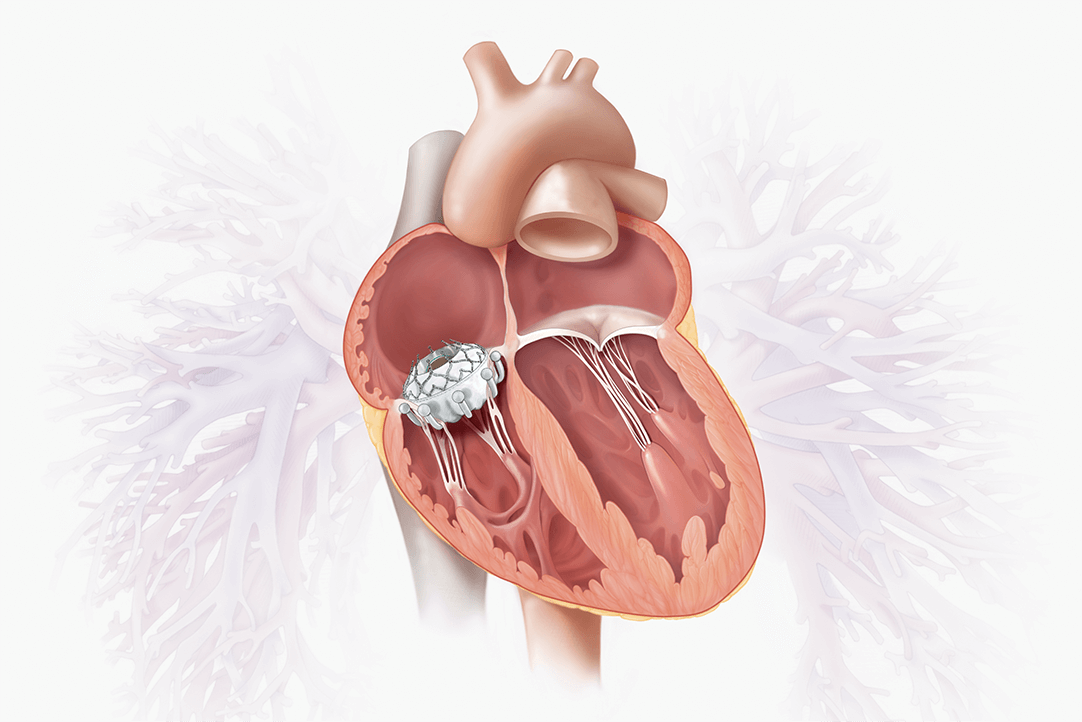
EVOQUE system image
healthy heart image

EVOQUE system vs a healthy heart

Clinical trial data showed patients who received an EVOQUE valve could experience improvements in symptoms, function, and quality of life within 30 days, including the ability to take care of themselves and participate in everyday activities.3

By treating  severe tricuspid regurgitation, you can potentially:

Improve your quality of life image

Improve your quality of life

with improved ability to do physical activities.3

Reduce TR image

Reduce TR

with a procedure that involves implanting a device through a small cut in your leg.5

Relief of symptoms image

Relieve symptoms

with TR, you may have shortness of breath or feel weak.3

A less invasive*
treatment option

img

If you have severe TR and continue to have heart failure symptoms on medical therapy, transcatheter tricuspid valve replacement may be an option for you. Only a specialized Heart Team can determine which treatment option is best for you.4

*Less invasive than open heart surgery

There are a few different ways to treat TR7:

img

Medication

Your doctor may prescribe certain medications to help some symptoms of the failure of your heart valve. However, it will not cure or fix the valve.  

img

Surgery

Open heart surgical valve repair or replacement is where the doctor will open your chest and repair or replace the damaged valve. It is often in conjunction with another heart valve procedure. Another surgical option is minimally invasive surgery, where the surgeon performs one or several small incisions in the chest wall to perform the intervention.6

img

Transcatheter tricuspid valve intervention

During a transcatheter tricuspid valve intervention, the doctor treats your leaky tricuspid valve without open heart valve surgery, using a delivery catheter (a tube-like device) with an implant attached to its tip.

Deciding on the appropriate treatment option for you

What is the best treatment  
option for you? 

Seeing a specialized doctor on a Heart Team will ensure you are evaluated for all treatment options. They will consider factors about your health to decide the most appropriate treatment option for you. Your doctor will consider these factors: 

  • Your medical history 
  • Your age 
  • Your current health status 
  • Your ability to undergo the procedure and recover from it
  • The overall condition of your heart

What are the benefits of transcatheter
valve replacement? 

If you have severe TR and continue to have symptoms on medical therapy, transcatheter valve replacement may help your heart work better. Other potential benefits may include3:

  • Reduced tricuspid regurgitation
  • Improved quality of life 
  • Relief of symptoms
  • Improved exercise capacity

Talk to your doctor for a full explanation of the benefits and risks associated with this procedure.

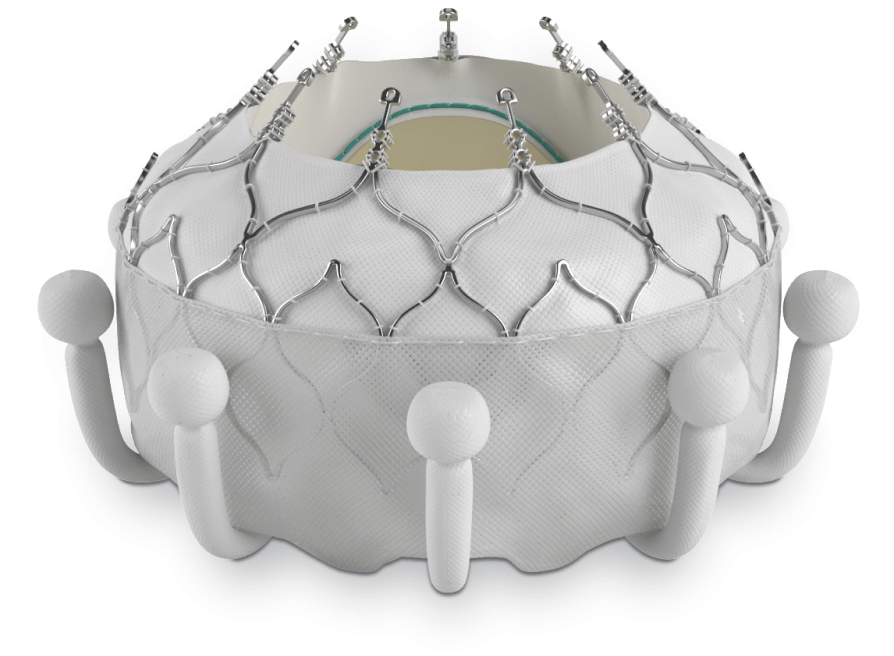
The EVOQUE valve

The Edwards EVOQUE tricuspid valve replacement system is a device designed to replace your tricuspid valve and help reduce or eliminate tricuspid regurgitation. The valve is put into place using a minimally invasive delivery system through a small puncture in your groin. On average, a Transcatheter Tricuspid Valve Replacement procedure with the EVOQUE system lasts about 2 hours.5

Evoque valve

EVOQUE valve

What are the risks?

As with any medical procedure, there is a possibility of risks. The Edwards TTVR procedure’s most
serious risks include4:

Doctor with patients
  • Death
  • Stroke
  • Serious bleeding (with the potential to be given blood)
  • Problems with the electrical pathway of your heart that requires a pacemaker
  • Unplanned repeat procedure, hospitalization, or surgery
  • Major vascular complications
  • Permanent disability

Watch the EVOQUE valve procedural animation

What to expect from the procedure

Transcatheter tricuspid valve replacement involves implanting a device through a small cut in your leg. The device is used to replace your leaky heart valve.

During the procedure

img
  1. Your doctor will make a small incision to access your femoral vein in your leg to insert a delivery system to reach your heart.
  2. The EVOQUE delivery system will be advanced through the access site across the tricuspid valve and positioned to the appropriate location within your heart.
  3. The EVOQUE valve will be deployed and replace your original tricuspid valve to restore proper function. 

On average, a transcatheter tricuspid valve replacement procedure with the EVOQUE system lasts about 2 hours.

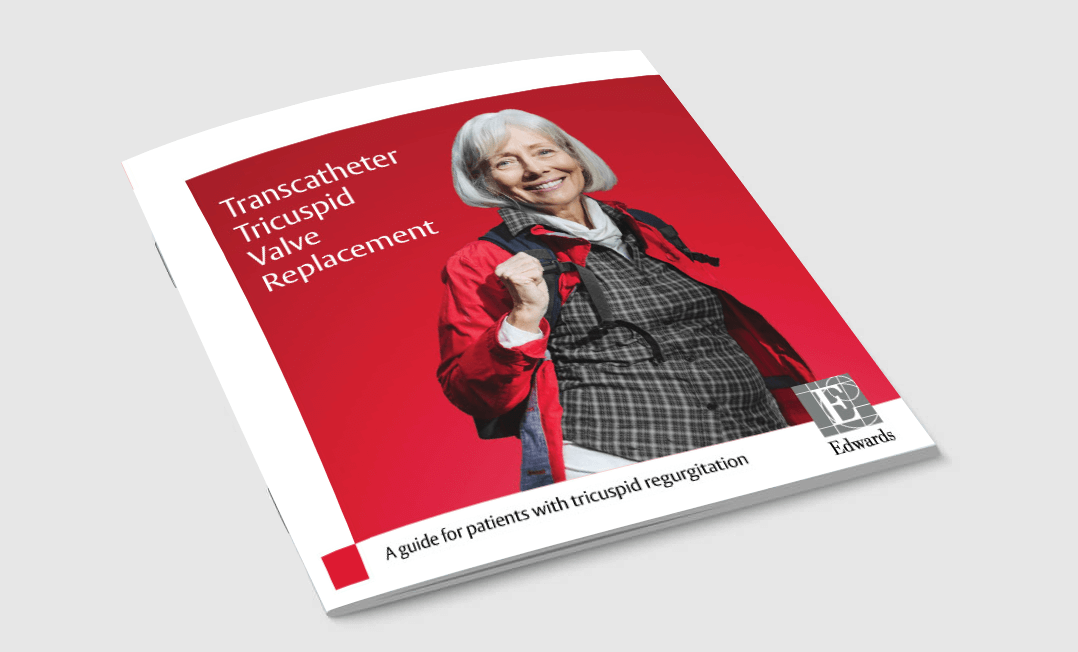
Download a helpful guide

Read an overview of severe TR and the treatment process. 

img

References

  1. Heart Valves and Circulation. American Heart Association. Updated 2024. Accessed August 28, 2025. https://www.heart.org/en/health-topics/heart-valve-problems-and-disease/about-heart-valves/heart-valves-and-circulation
  2. Tricuspid Regurgitation. Penn Medicine. Updated 2025. Accessed August 28, 2025. https://www.pennmedicine.org/conditions/tricuspid-valve-regurgitation
  3. Arnold, S, et al. Quality of Life After Transcatheter Tricuspid Valve Replacement: 1-Year Results From TRISCEND II Pivotal Trial. JACC. 2025;85:206–216.
  4. Edwards Lifesciences. Edwards EVOQUE Transcatheter Tricuspid Valve Replacement System. Instruction for use: eifu.edwards.com
  5. Hahn RT, et al. Transcatheter Valve Replacement in Severe Tricuspid Regurgitation. N Engl J Med. 2025;392:115-126.
  6. Tricuspid Valve Repair and Replacement. Cleveland Clinic. Updated 2024. Accessed September 12, 2025. https://my.clevelandclinic.org/health/treatments/17579-tricuspid-valve-surgery
  7. Praz F, et al. European Heart Journal 2025;67(8):ehaf194 DOI:10.1093/eurheartj/ehaf194
Medical device for professional use

Medical device for professional use

For a listing of indications, contraindications, precautions, warnings, and potential adverse events, please refer to the Instructions for Use (consult eifu.edwards.com where applicable).